

Ever wondered what goes into creating the stunning landscapes at Disney Adventure World? It’s more than just beauty! Imagine this: they’ve planted over 1,500 trees and hundreds of thousands of shrubs. Their goal? To craft a truly immersive experience for us, but there’s a fantastic bonus too – these choices also boost local ecosystems.
On World Biodiversity Day, it’s a great time to appreciate how these incredible plants help our busy pollinators thrive.
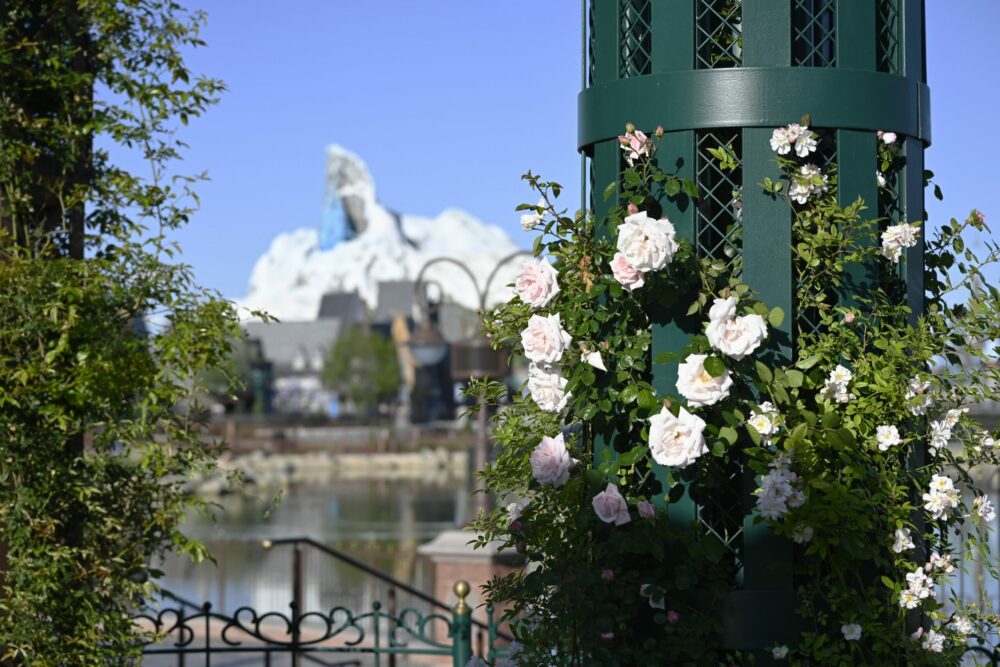
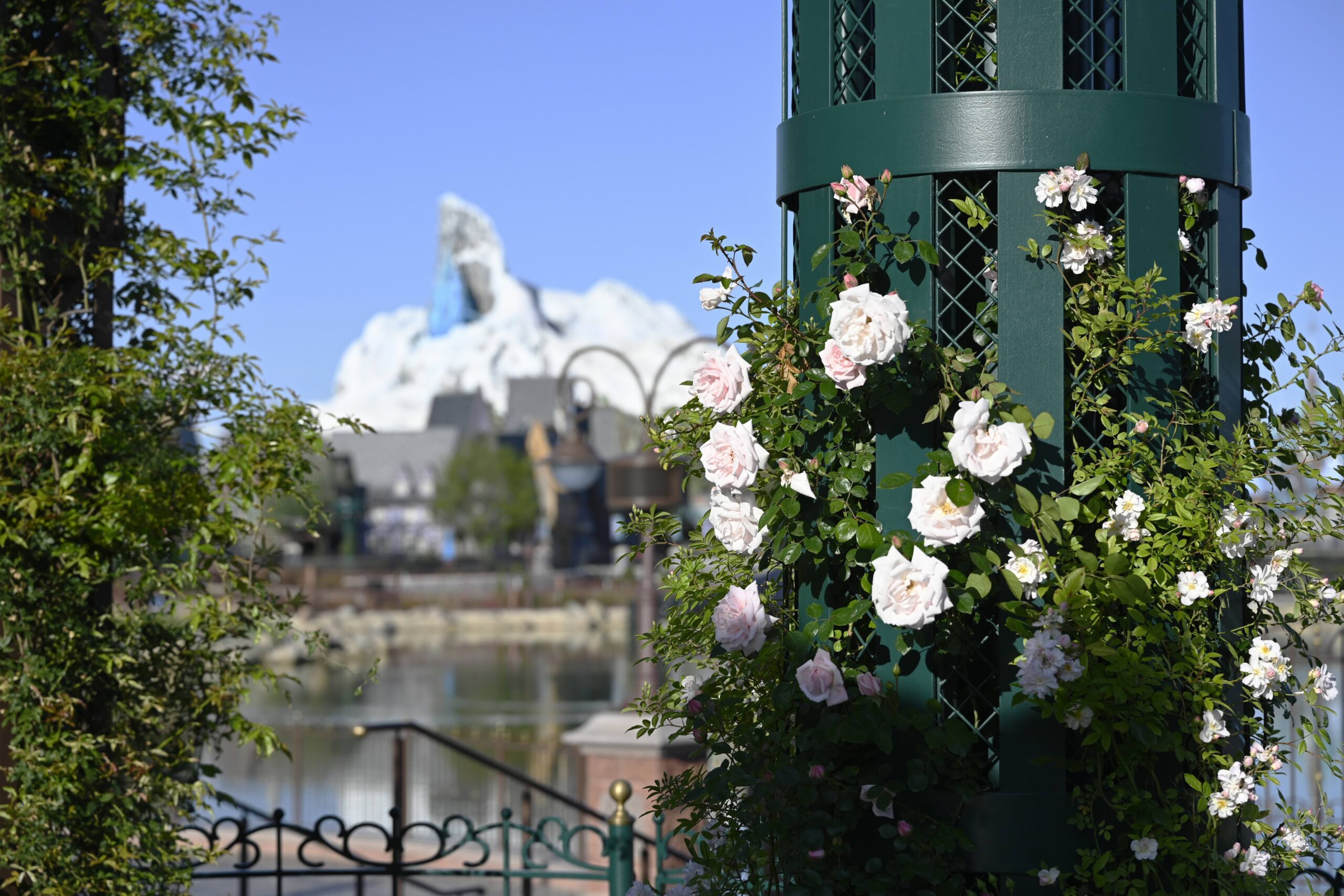
Take Adventure Way, for example. The vibrant rhododendrons and classic roses really define its visual identity and overall atmosphere. But these aren’t just pretty faces; their flowers are rich in nectar and pollen, making them a vital food source for insects. It’s a small detail that makes a big difference!
Among the park’s trees, you’ll find beautiful flowering cherry trees (Prunus) and elegant serviceberry trees (Amelanchier lamarckii). These stand out with their early blossoms. Right at the beginning of spring, they offer an essential resource when pollinators need it most. Then there are the Japanese pagoda trees (Sophora japonica), which naturally produce flowers also rich in nectar, attracting a fantastic diversity of insects.
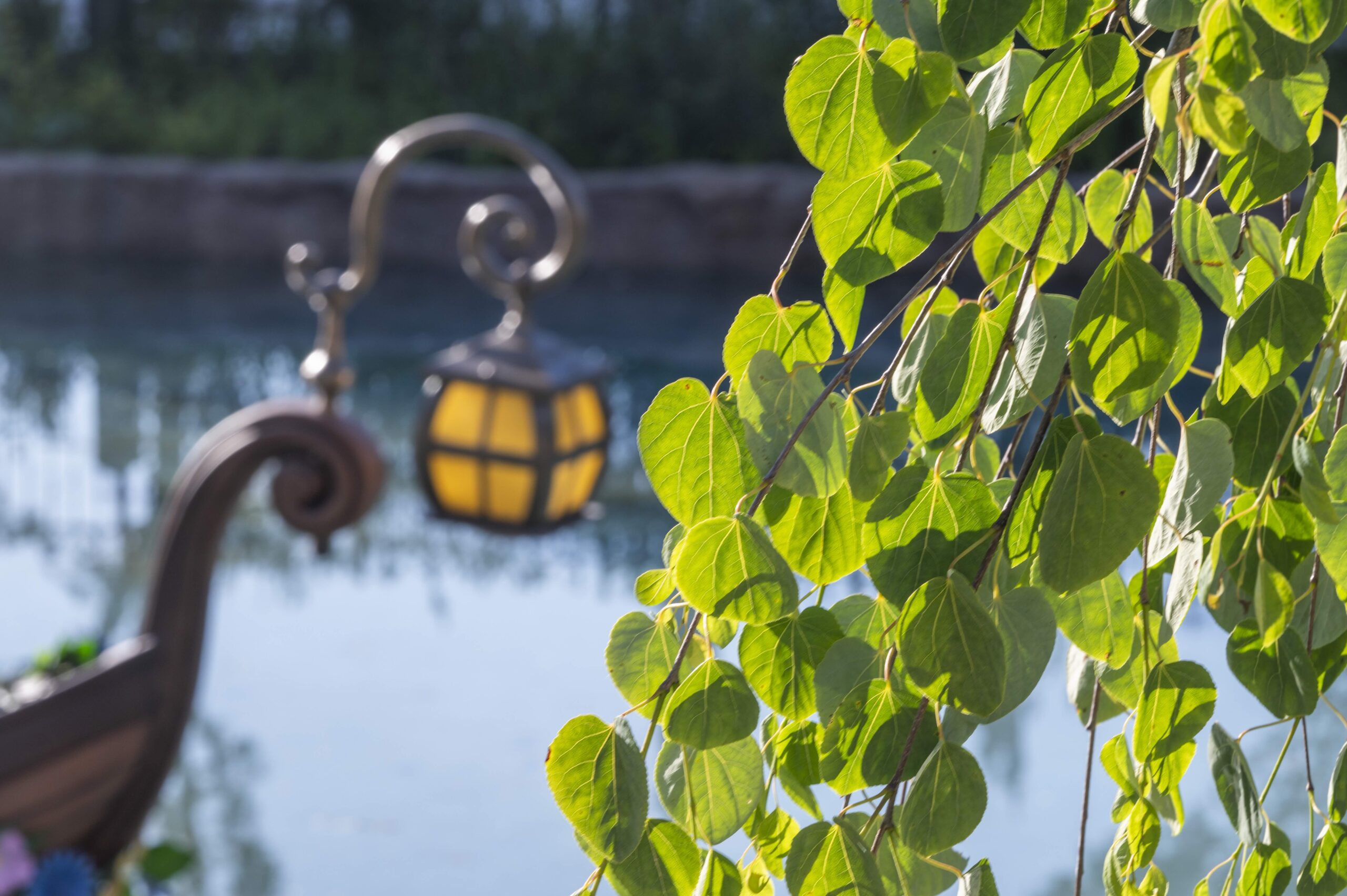
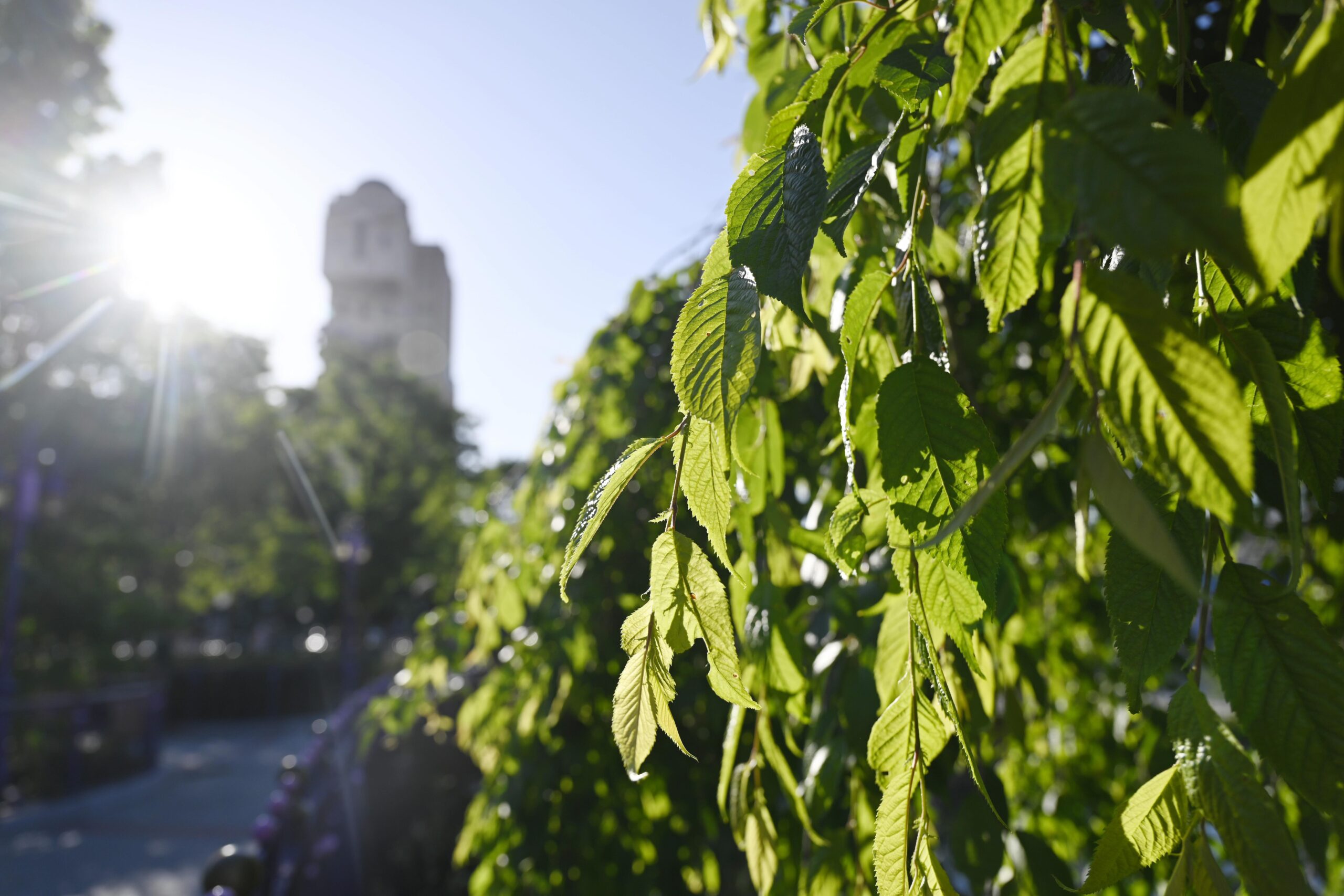
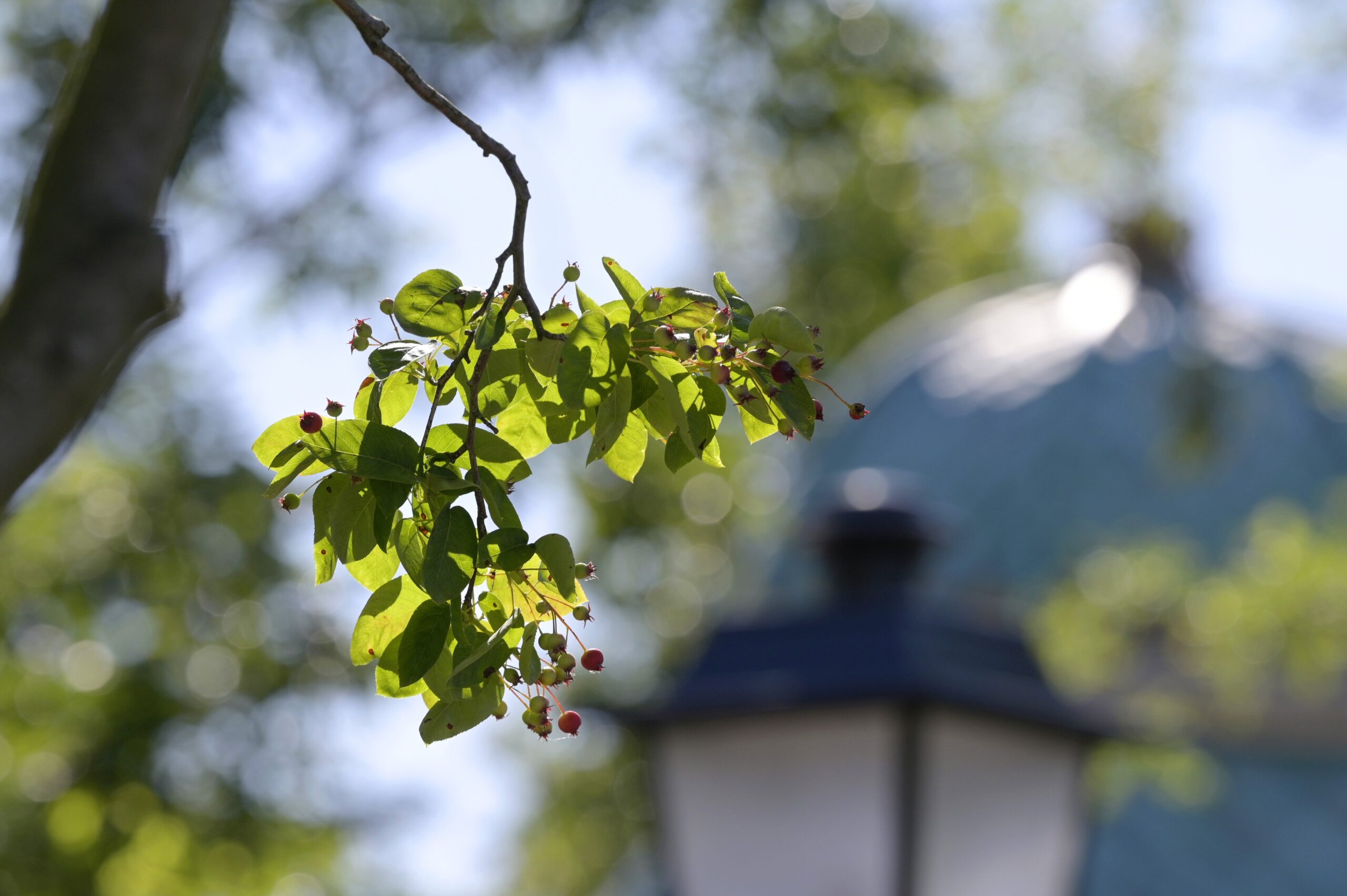
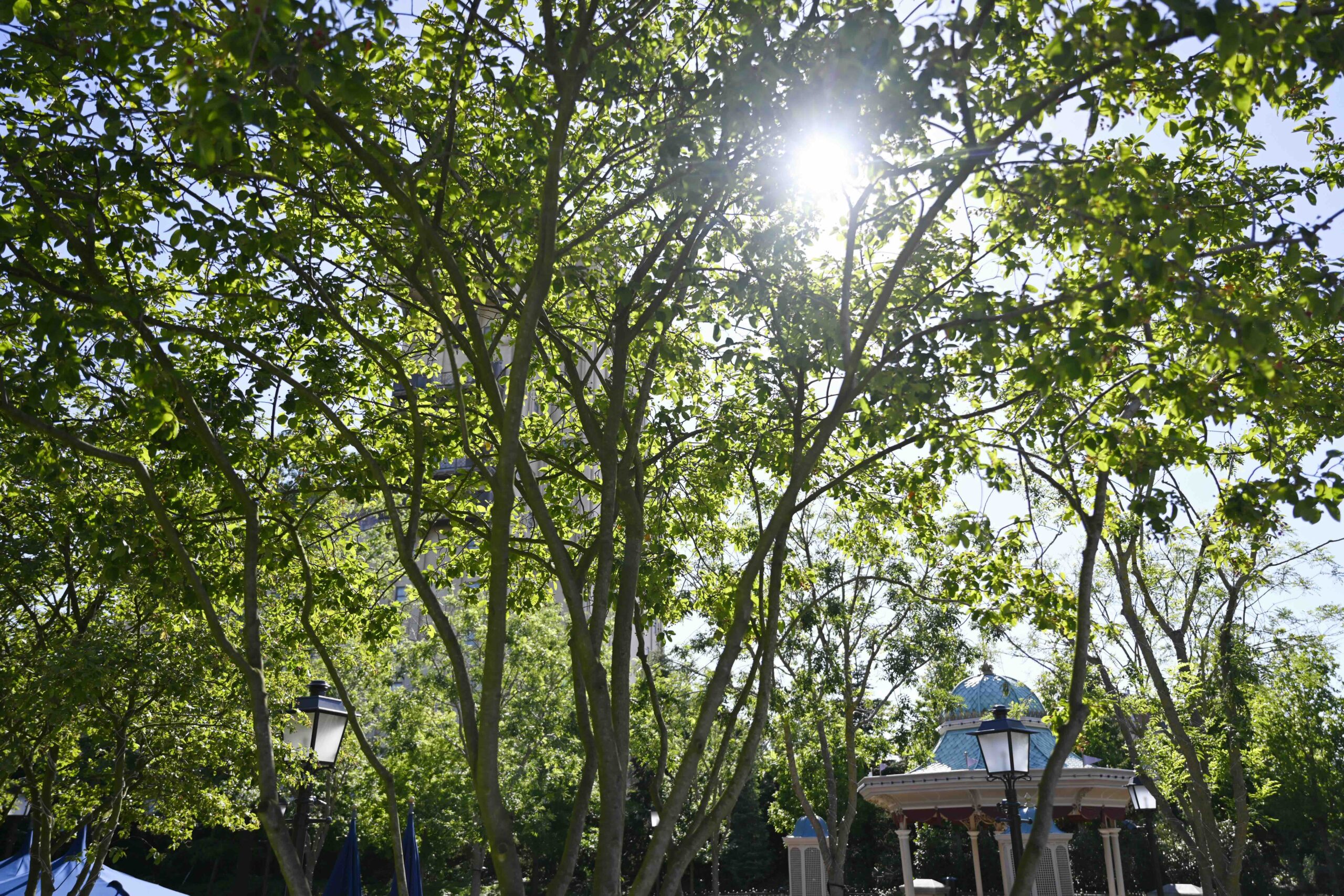
It’s truly amazing how landscaping choices, made primarily to enhance our guest experience, also play a crucial role in enriching the local biodiversity. A real win-win for everyone!
Here’s a fun fact for you: Prunus, serviceberry, and rose plants all belong to the Rosaceae family. This means lots of yummy fruits like strawberries, apples, plums, and pears! And guess what? Birds absolutely love the berries from serviceberry trees – a real treat for them!
Another cool detail: Japanese pagoda trees are pretty clever too. They naturally resist drought and enrich the soil by fixing nitrogen, which is super important for plant growth and overall plant health.